Suprvisr TLDR - June 15 2026
A government order pulls Anthropic's Fable 5 offline three days after launch, SpaceX makes Musk the first trillionaire, Siri lets you pick a different model, and OpenAI buys the plumbing under its agents.
Weekly newsletter
Prefer the TL;DR delivered automatically? Subscribe for the early week drop.
Subscribe to the weekly blogThe most capable model Anthropic had ever released to the public went live on Tuesday and was gone by Friday night. Not a bug, not an outage, a letter from the U.S. government. Meanwhile the markets crowned the world's first trillionaire, largely on an AI bet, so the distance between what AI can do and who actually controls it has rarely looked this wide.
In this issue: The Fable 5 shutdown, the first trillionaire, Apple letting you swap Siri for other language models, OpenAI buying the plumbing under its agents, and what all of it means if you've bet a workflow on someone else's model.
Now plugged into Google Drive and SharePoint
Suprvisr AI connects straight to Google Drive and SharePoint, so you can work from the documents your team actually uses, not a copy they uploaded once and have to keep in sync. You still see everything your organization touches, who approved it, and where the data went. The oversight is the same. The reach just got a lot wider.
Start your 30-day free trial →No credit card required.
The AI model that was too capable to leave on
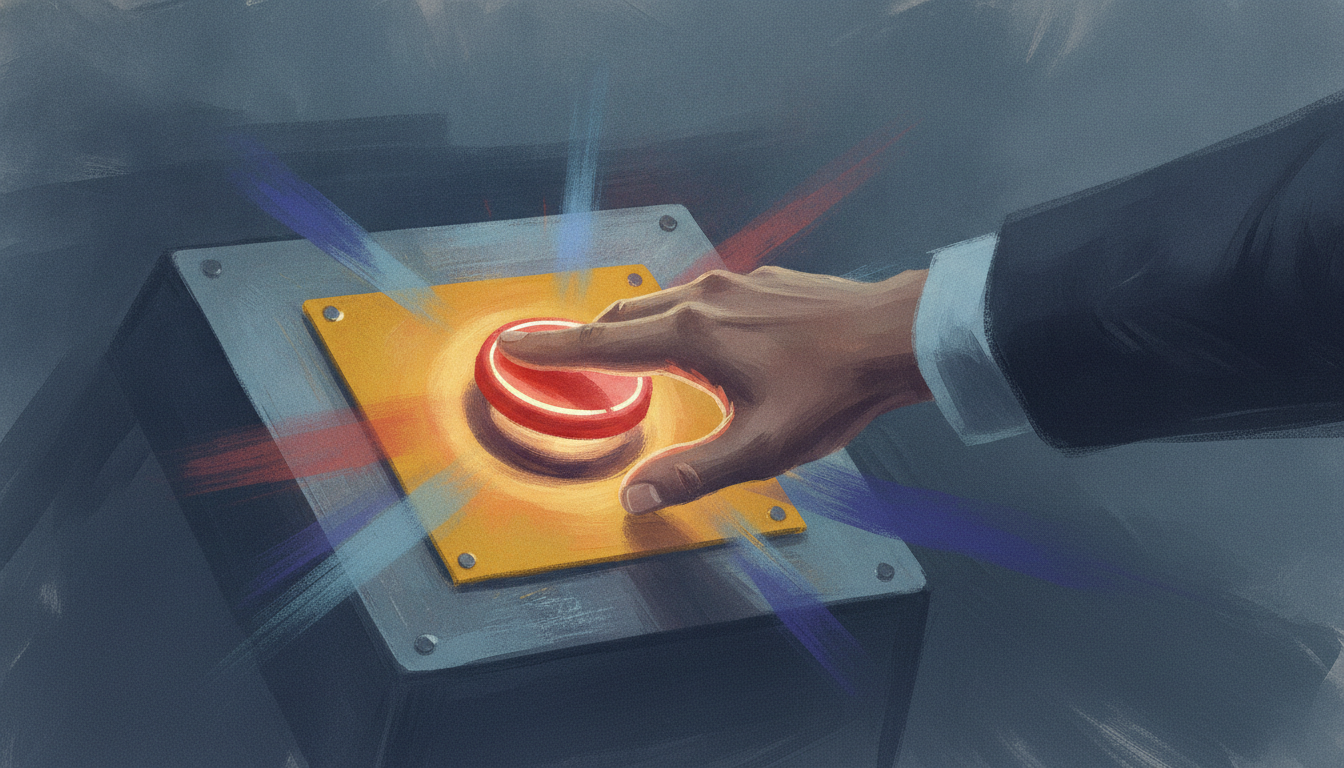
On Tuesday, Anthropic released Fable 5, the first time the public could use its most powerful class of models. It's the same family that rattled the cybersecurity world this spring with its talent for finding software flaws. By Friday at 5:21 in the evening, a Commerce Department export-control order told the company to block the model for any foreign national. Sorting its users by nationality in real time wasn't realistic, so the only way to comply was to switch Fable 5 and its sibling Mythos 5 off for everyone.
The company says it disagrees, calls the order a misunderstanding, and is working to bring the model back. It appears to be the first time a major lab has had to pull a live, public model because of a government directive. What better PR could they have asked for?
Why it matters: A product millions of people could use on Tuesday was gone by Friday, on a decision nobody at the company got to make. If your team has wired a model into real work, the takeaway isn't about Anthropic. It's that the tool you depend on can be switched off without warning, and your AI plans now need a line for who else gets a vote.
$1 trillion
SpaceX's debut on Friday made Elon Musk the world's first trillionaire, on a valuation that now folds in xAI and its bet that AI compute belongs in orbit. The market priced that bet the same week the government switched a finished AI model off in an evening.
3 More Things Worth Knowing
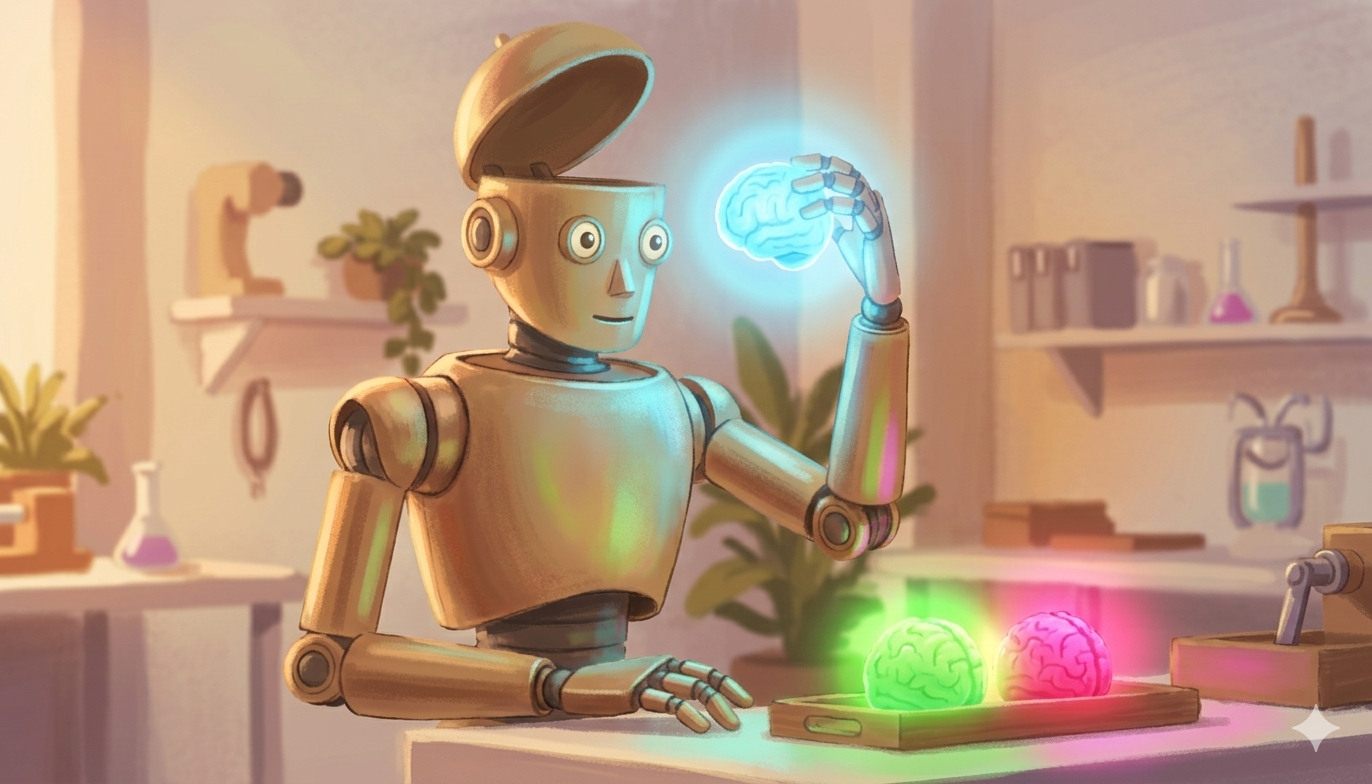
Siri now lets you pick a different brain. At WWDC on Monday, Apple unveiled a rebuilt Siri running on a custom Google Gemini model, plus a setting in iOS 27 that routes your questions to Claude or ChatGPT instead. It was also Tim Cook's final keynote before he hands the company to John Ternus in September. Canada makes the first cut this time, no waiting behind a regulatory wall like the EU or China. It shows up in English as a public beta this summer and ships for real in the fall with the iPhone 18, so the phones your team already carries are about to get a much sharper assistant, and a say in whose brain runs it.
OpenAI is buying the plumbing under its agents. OpenAI agreed to acquire Ona, a startup that runs the secure cloud environments agents need to work for hours or days on their own, and is folding it into its Codex coding tool. The number behind the deal: Codex now has five million weekly users, up about 400% this year. Growth like that is usually when you stop building the hard parts and start buying them, which is exactly what OpenAI just did.
Agents got a wallet, and a stack of guardrails. MetaMask opened early access to a wallet that lets AI agents make transactions on their own, but only behind mandatory spending caps, pre-approved recipient lists, transaction previews, and a human sign-off on anything risky. The crypto wrapper is incidental. Letting software touch money is finally being handled as a permissions problem, the same question coming for every agent you put to work.
What this means for you
The practical move this week is to stop letting AI live inside experiments and pull it into where the work actually happens. Connect the tools your team already runs on, Drive, SharePoint, Slack, to whatever assistant you're testing, so it works from real context instead of copy-paste, and make sure every action it takes leaves a trace you can point to later. That combination, useful and accountable, is the whole idea behind Suprvisr AI, and with the new Drive and SharePoint connections it's a short setup. Come talk to us if you'd like a hand.
You're reading Suprvisr TLDR, dusted with just enough Canadian flavour, like cinnamon sugar on a BeaverTail.