Suprvisr TLDR - July 6 2026
Fable 5 and Mythos 5 return after a 19-day blackout with a new severity framework, Claude Sonnet 5 launches at aggressive pricing, Cloudflare makes AI crawlers pay, and Meituan open-sources LongCat-2.0.
Weekly newsletter
Prefer the TL;DR delivered automatically? Subscribe for the early week drop.
Subscribe to the weekly blogThis week's real story wasn't a launch, it was a return. The AI world's most capable model got pulled offline by the US government, came back nineteen days later, and left behind a lesson every business leader running on AI should sit with.
In this issue: Anthropic's 19-day blackout and comeback, Claude Sonnet 5's aggressive new pricing, Cloudflare's new fight to make AI companies pay for content, and a Chinese company's anonymous rise to the top of the global AI usage charts.
Faster work, with a supervisor built in.
Cumulus is a Canadian AI assistant that helps your team move faster on the day-to-day, summarizing docs, drafting emails, reworking reports, while giving leadership a real view of how AI is actually being used. Canadian hosted, with the audit trail built in.
Start your 30-day free trial →No credit card required.
The Return Came With New Rules
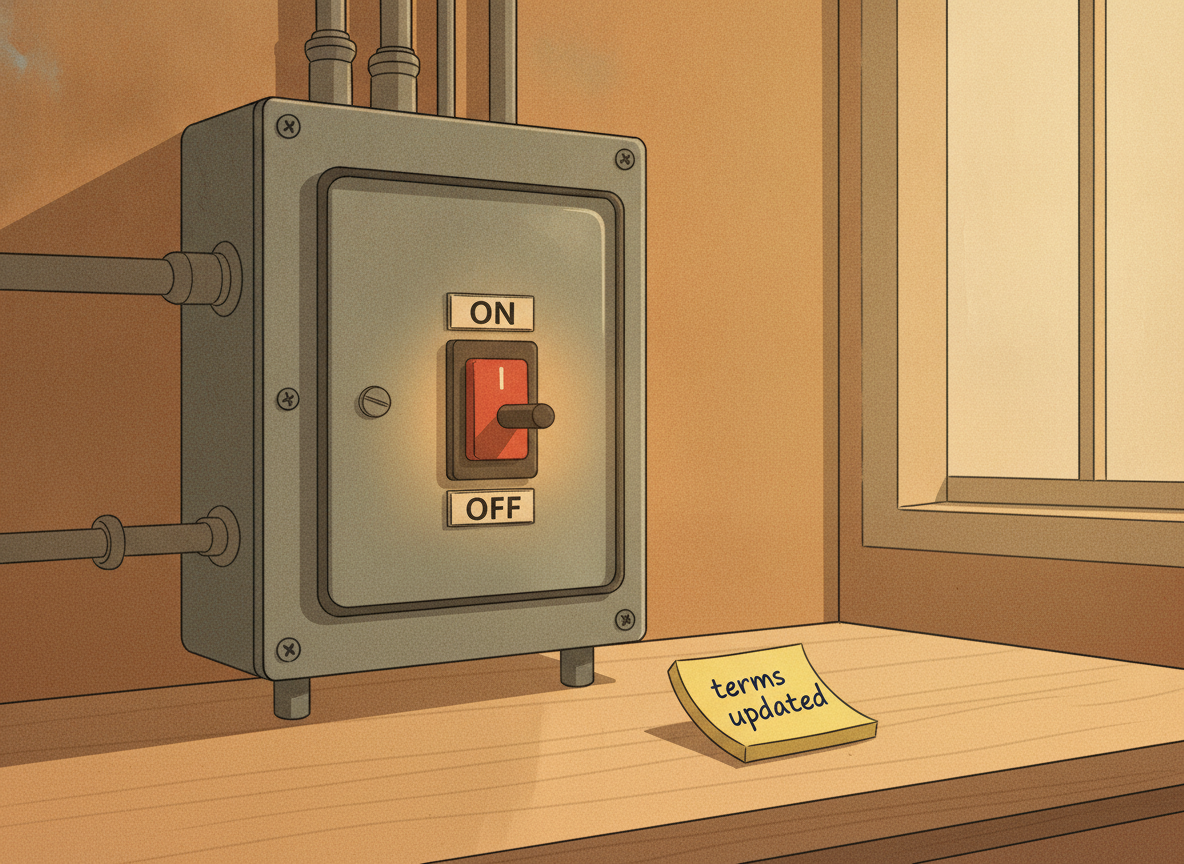
Fable 5 and Mythos 5, Anthropic's top two models, are back online, but they didn't come back the same. The government's 19-day shutdown forced Anthropic, alongside several other major AI companies, to build something that didn't exist before: a shared framework for scoring how serious a security problem actually is, rather than treating every flagged issue the same way.
Before, the system was blunt. A borderline finding got treated the same as a genuine threat, and a shutdown was the only lever available. Now there's a step in between, a way to say "concerning, but not a five-alarm fire" without waiting for the next binary decision.
That's the real story here. A government that pulled access once over one finding can do it again, and the industry now has to show its response can be calibrated instead of reflexive.
So what: if you're running anything on top of a single AI model, the question worth asking isn't whether it could get pulled again, it's whether the company behind it can tell the difference between a real problem and a false alarm before it happens.
6.4%
That's how much a fund tracking chipmaker stocks dropped in a single day this week, after Bank of America warned that AI valuations have run ahead of reality. Investors clearly aren't as sure about the AI trade as the growth charts suggest.
3 More Things Worth Knowing

🤖 Claude Sonnet 5 launches, built to get things done, not just chat. Anthropic released Claude Sonnet 5 on June 30 and made it the default model for every free and paid Claude.ai user. It's built to plan out multi-step tasks and use other tools on its own, with less hand holding than the previous version needed, and it costs a fraction of what that version did to run, at least through the end of August. Translation: doing more with AI is about to get cheaper, for a few months at least. Worth locking in the savings while they last.
🕷️ Cloudflare starts charging AI companies for your content. Starting in September, Cloudflare will block AI crawlers by default on ad-supported pages, unless they separate search from the crawlers that train AI models or power AI agents. More than half of all internet traffic is now bots, not people, and Cloudflare wants AI companies to start paying for the content they've been using for free. If your business runs on a website, this fight decides whether you get paid for it.
💸 China's open models keep undercutting the premium pitch. Meituan, better known in China as a food delivery giant, released LongCat-2.0, a powerful AI model that's free for any business to use, modify, or even resell, no license fees, no restrictions. It had already been one of the most-used AI models in the world for weeks, under a different name, before anyone knew who built it. It's the latest sign that free, capable AI is closing in fast on what you're paying a premium for, from a direction most executives aren't watching.
What this means for you
This week didn't add a new AI capability to worry about, it added a new reason to double check the ones you already trust. A severity framework for flagging real threats, a stock swing that undid months of confidence in a single day, and a fight over who actually gets paid for the content powering all of this. The pattern's the same each time: nobody checks until something forces the issue.
Don't wait to be forced. Ask Suprvisr AI to pull together a plain-language rundown of what your team's AI tools actually claim to do, and how you'd know if they didn't. Most leaders find out the hard way. You don't have to.
You're reading Suprvisr TLDR, which has a uniquely Canadian flavour, like complaining about the weather no matter what it's doing.